Mechanical and Industrial Design Services Enclosures, Thermal, and DFM

Talk to Our Engineers

End-to-End Development Workflow

Qmax Systems provides mechanical and industrial design services - enclosures, thermal paths, and load-bearing structures engineered alongside the PCB from the schematic stage. Optimized for DFM and DFA from day one, Qmax Systems delivers certification-ready hardware for high-stakes electronics, from MIL-STD-810 tactical devices to thermally-dense power electronics.

Phase 1

Concept & Research

Phase 2

Industrial Design &Styling

Phase 3

Detailed MechanicalEngineering

Phase 4

Simulation & Analysis

Phase 5

Prototyping

Phase 6

DFM/DFA Optimization

Phase 7

Production Support

  • User Requirements
  • Environmental Constraints
  • Technical Feasibility
  • Sketching
  • CMF Development
  • Ergonomic 3D Block-outs
  • CAD Development
  • PCB Mechanical Integration
  • Internal Component Mounting
  • FEA – Structural Integrity
  • CFD – Thermal Management
  • SLA Prototyping
  • SLS Prototyping
  • CNC Machining
  • Injection Molding
  • Casting
  • Fabrication
  • EVT
  • DVT
  • PVT
  • Manufacturing Coordination

Mechanical & Industrial Design Capabilities

Mechanical Design

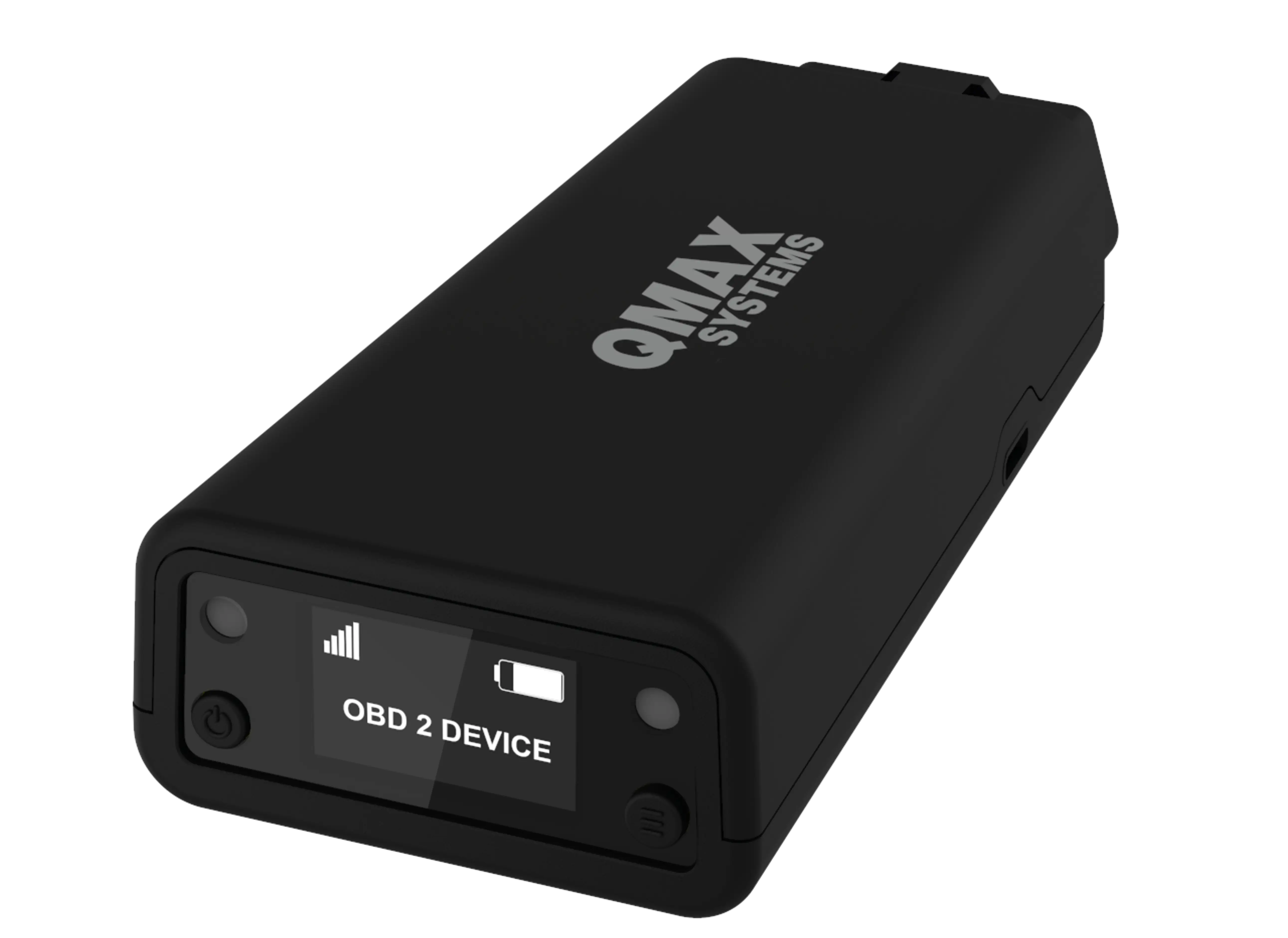
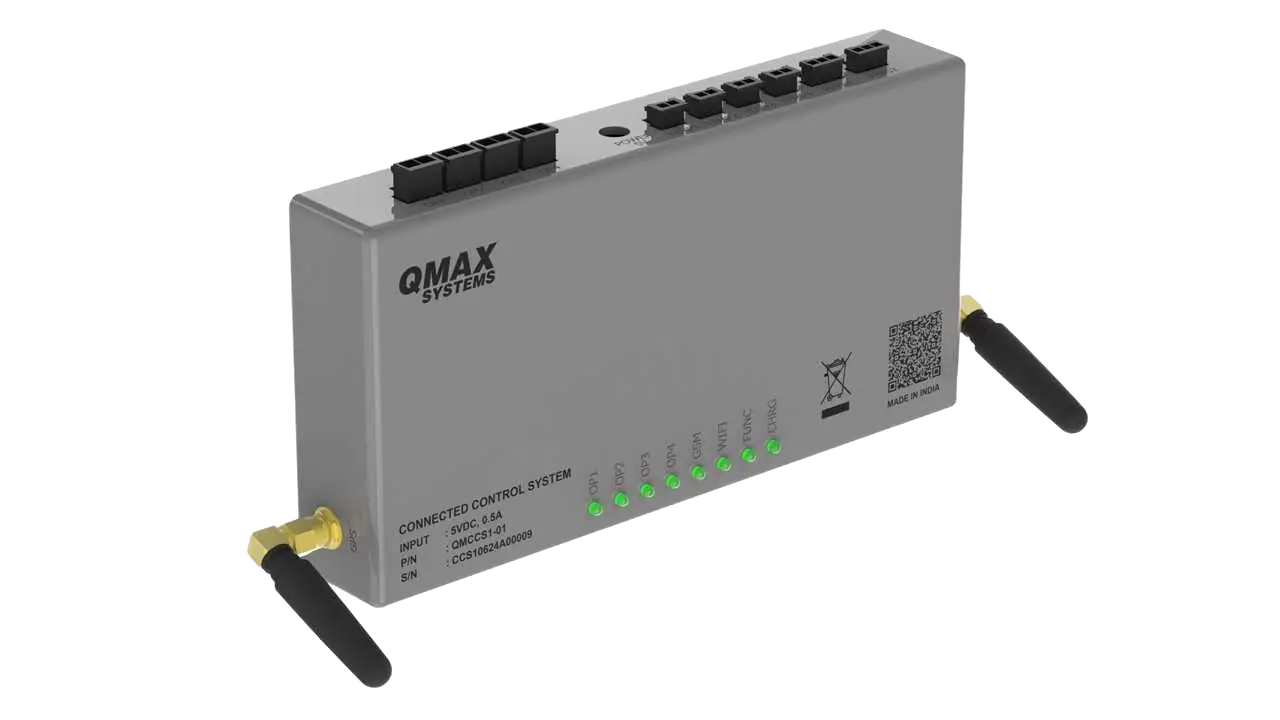
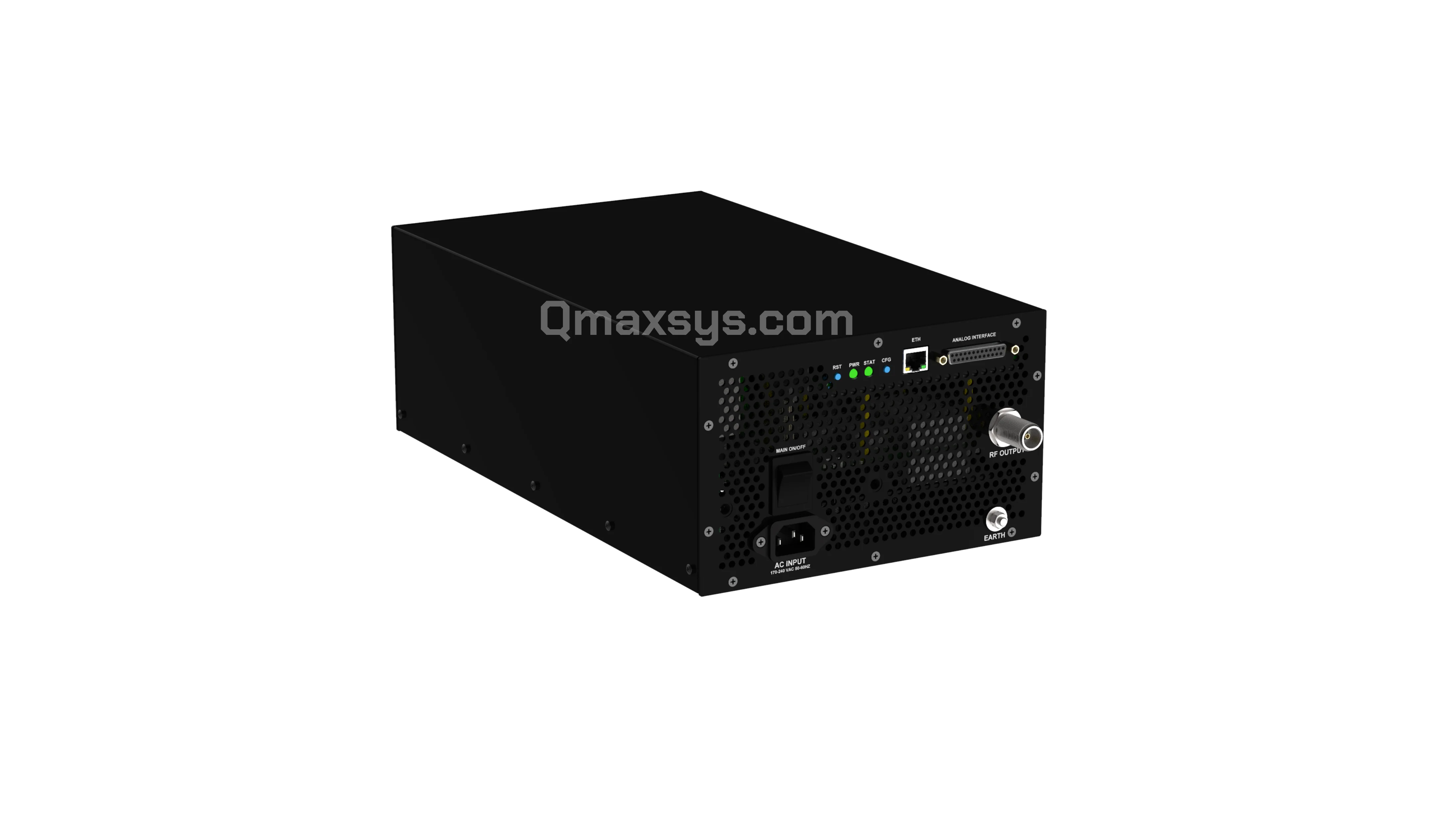
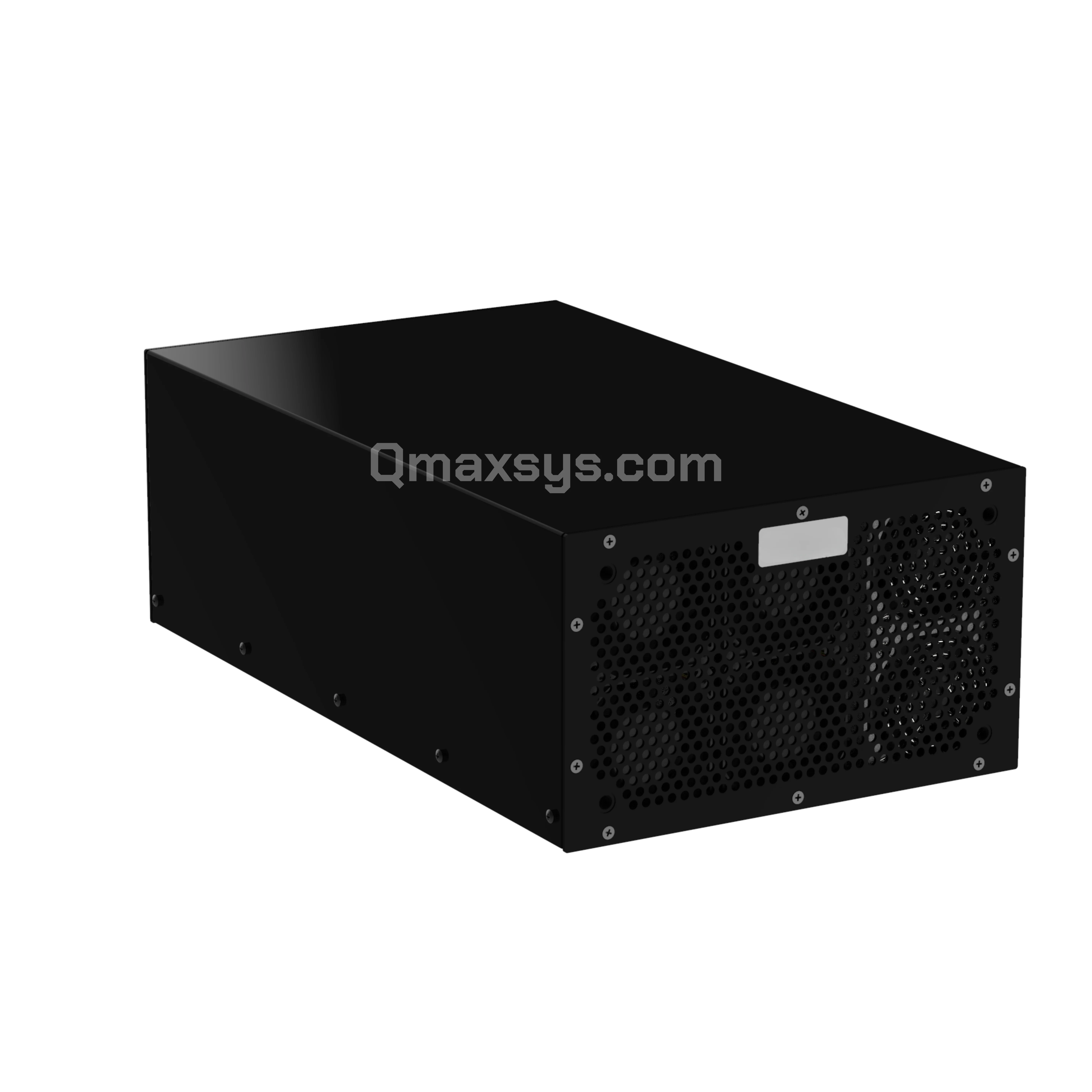
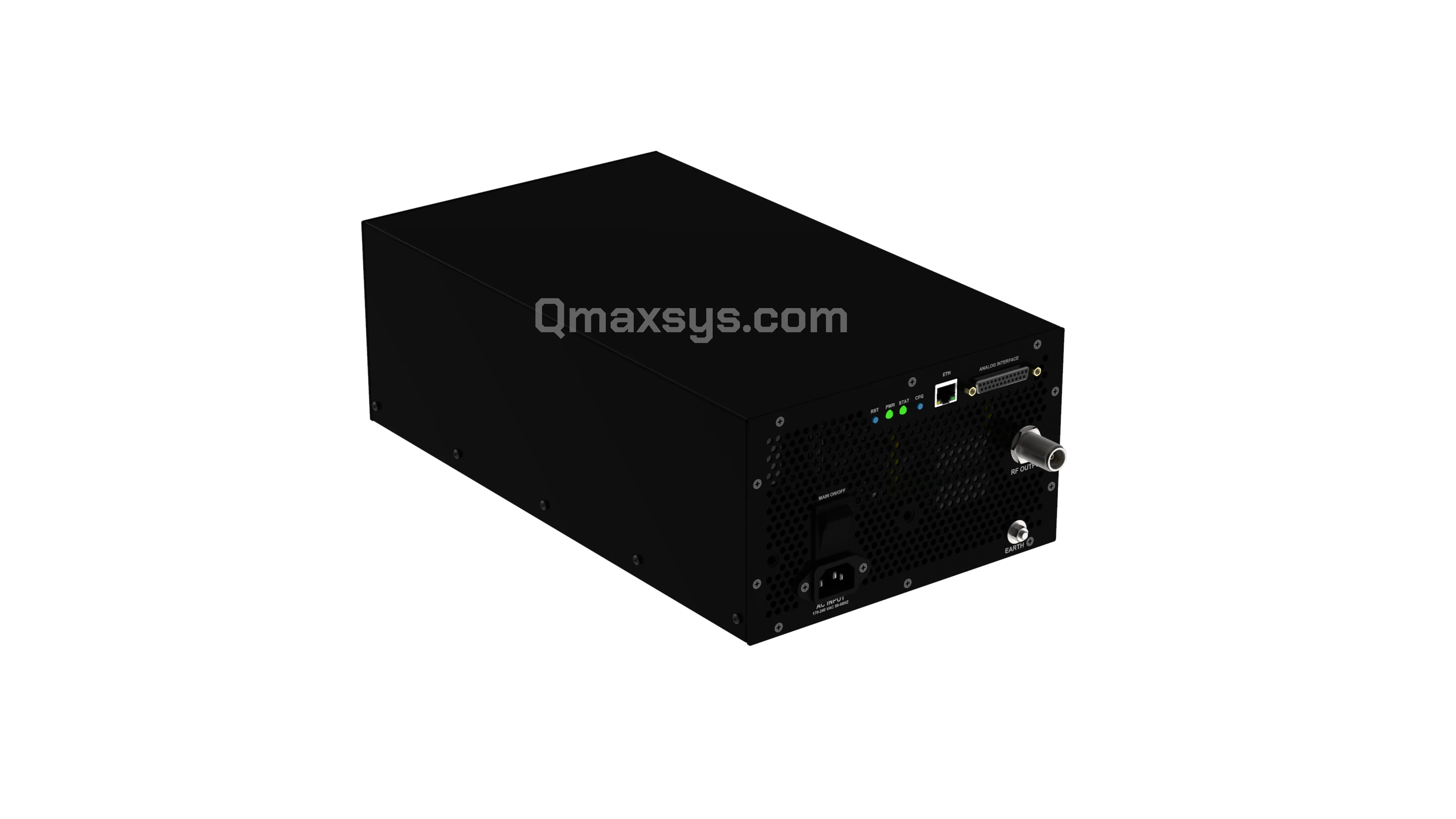
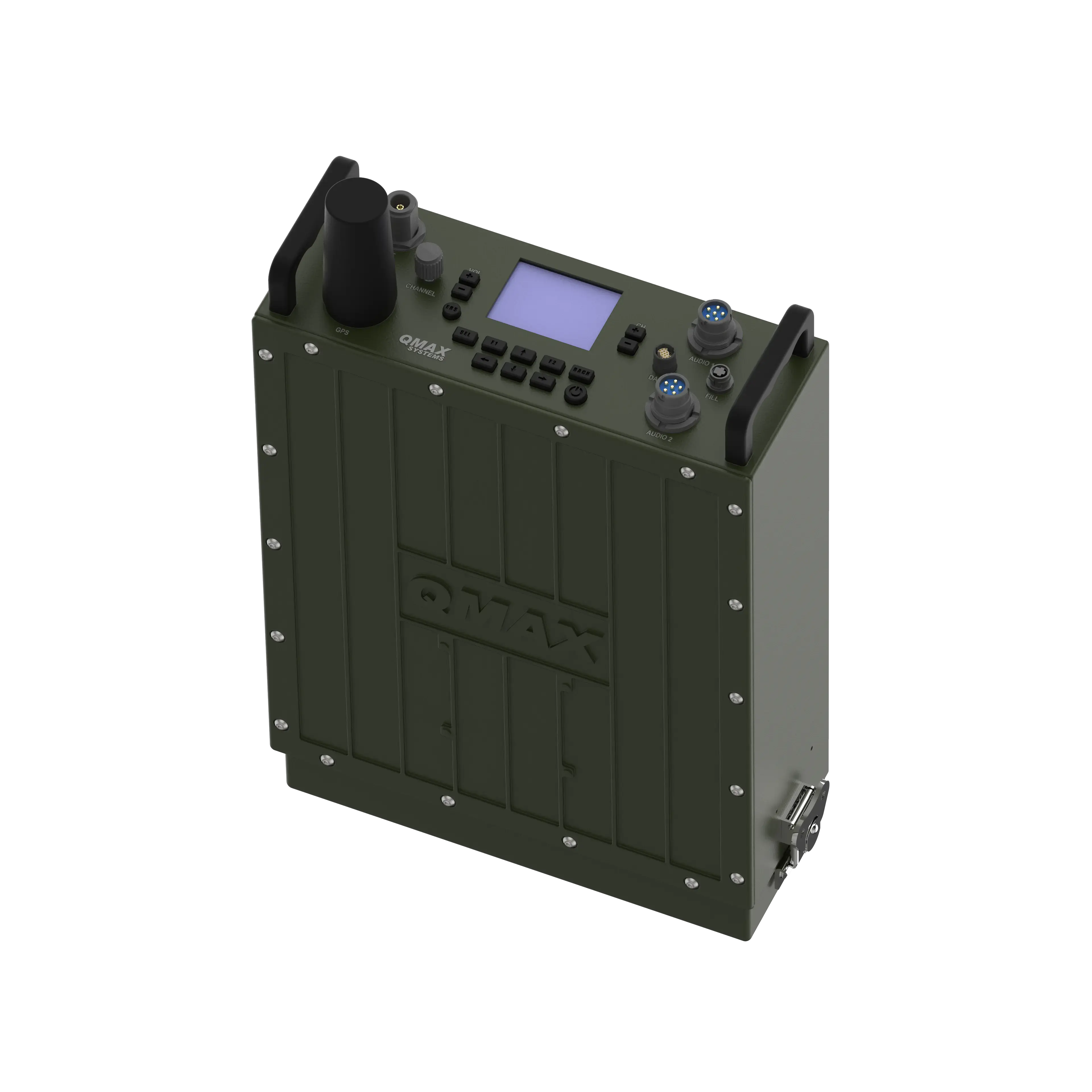
Rugged mechanical enclosure design for electronics hardware

Qmax Systems roots its mechanical design in physics, not rules of thumb. Finite Element Analysis (FEA) and Thermal Analysis predict how your electronics behave under stress, vibration, and extreme temperatures.

  • Enclosure Design - Qmax designs enclosures in plastic injection molding, machined aluminum, and sheet-metal fabrication.
  • Ruggedization - Qmax's engineers design for shock, vibration, and impact resistance to MIL-STD and JSS standards.
  • Environmental Protection - Sealing designs meet IP65, IP67, and IP68 ratings.
  • Thermal Management - Qmax delivers active and passive cooling, including custom heat sinks and airflow optimization.
  • Kinematic Design - Kinematic design controls precise movement for hinges, sliders, and latching mechanisms.
Learn more

Industrial Design

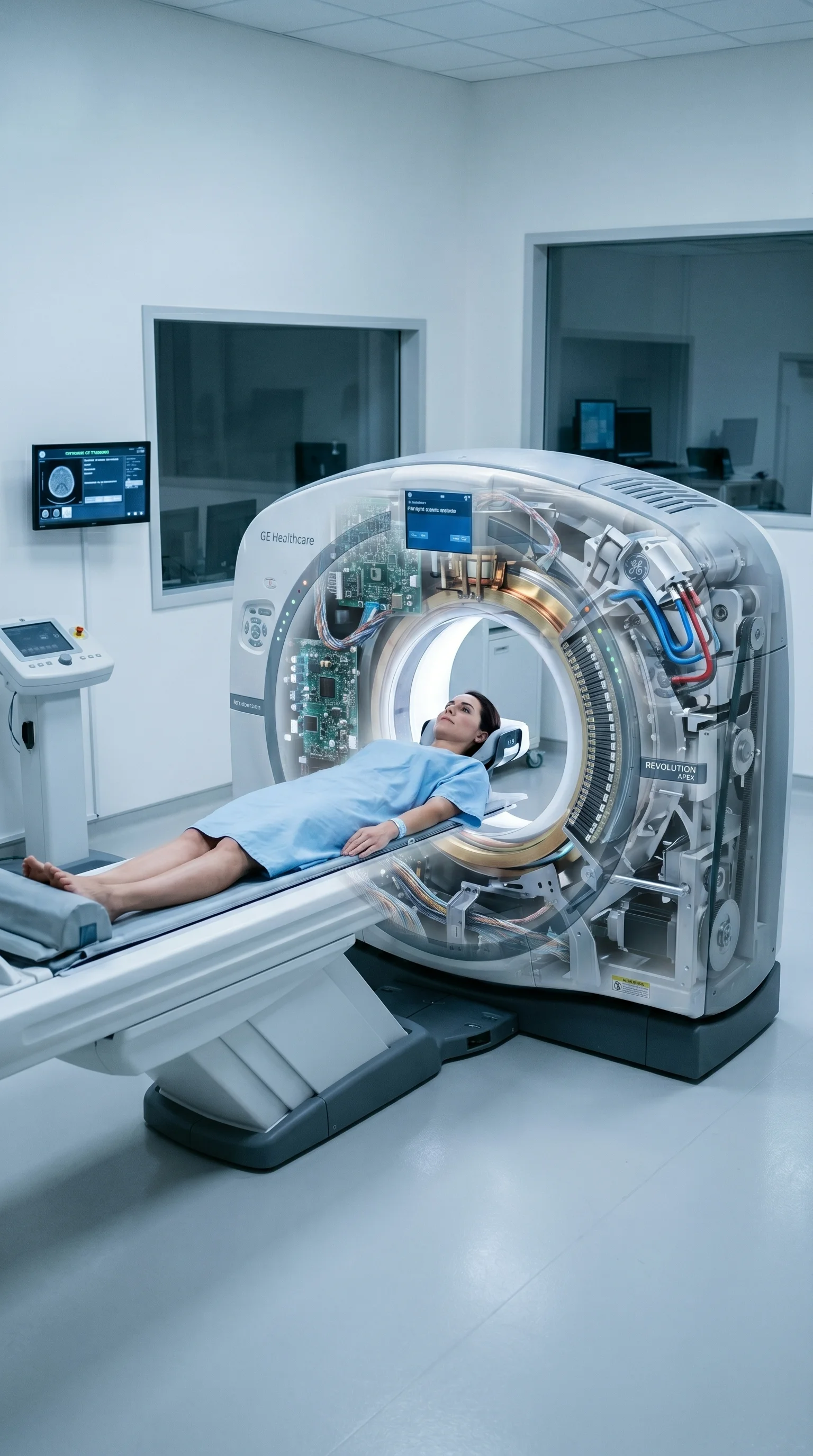
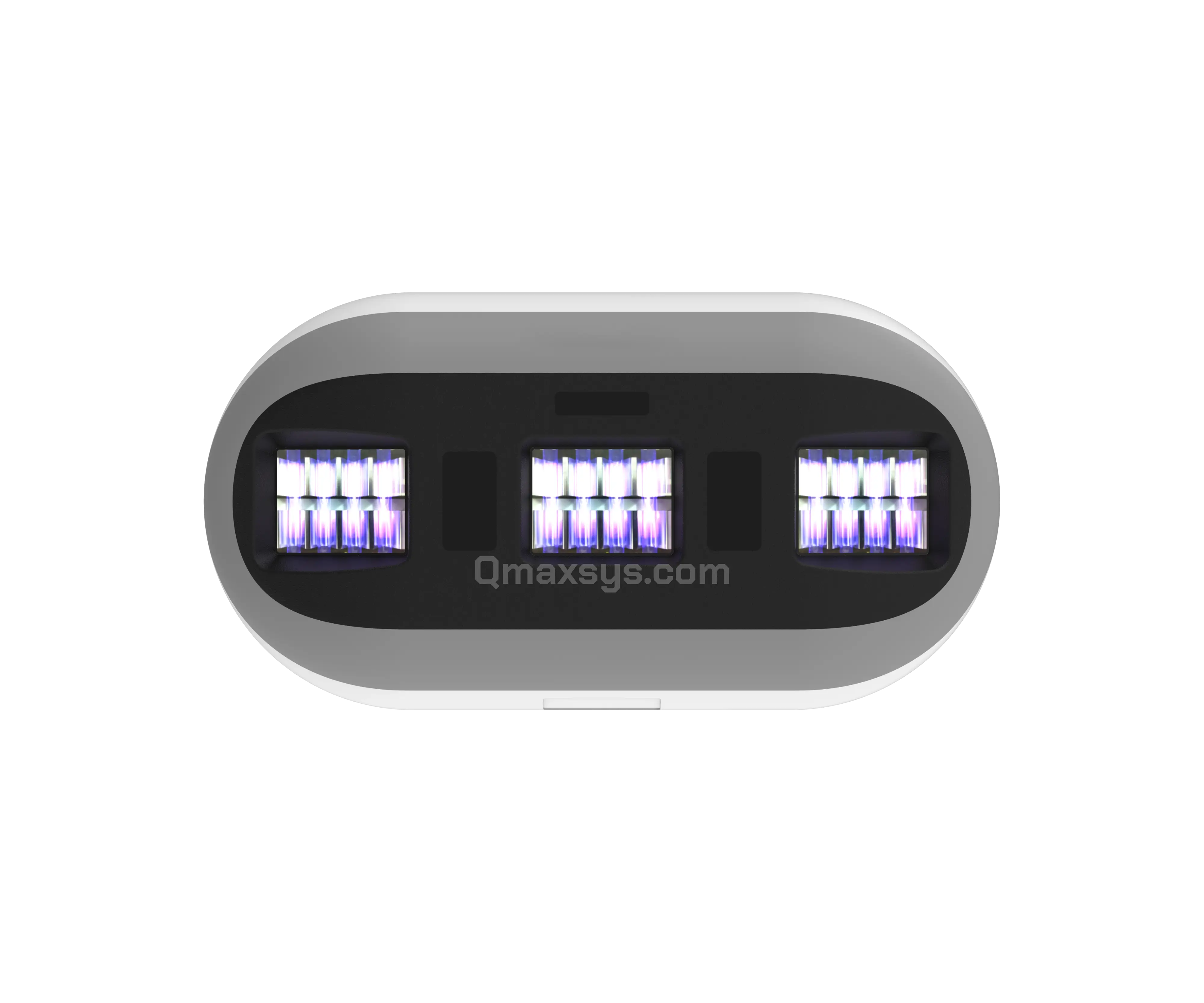
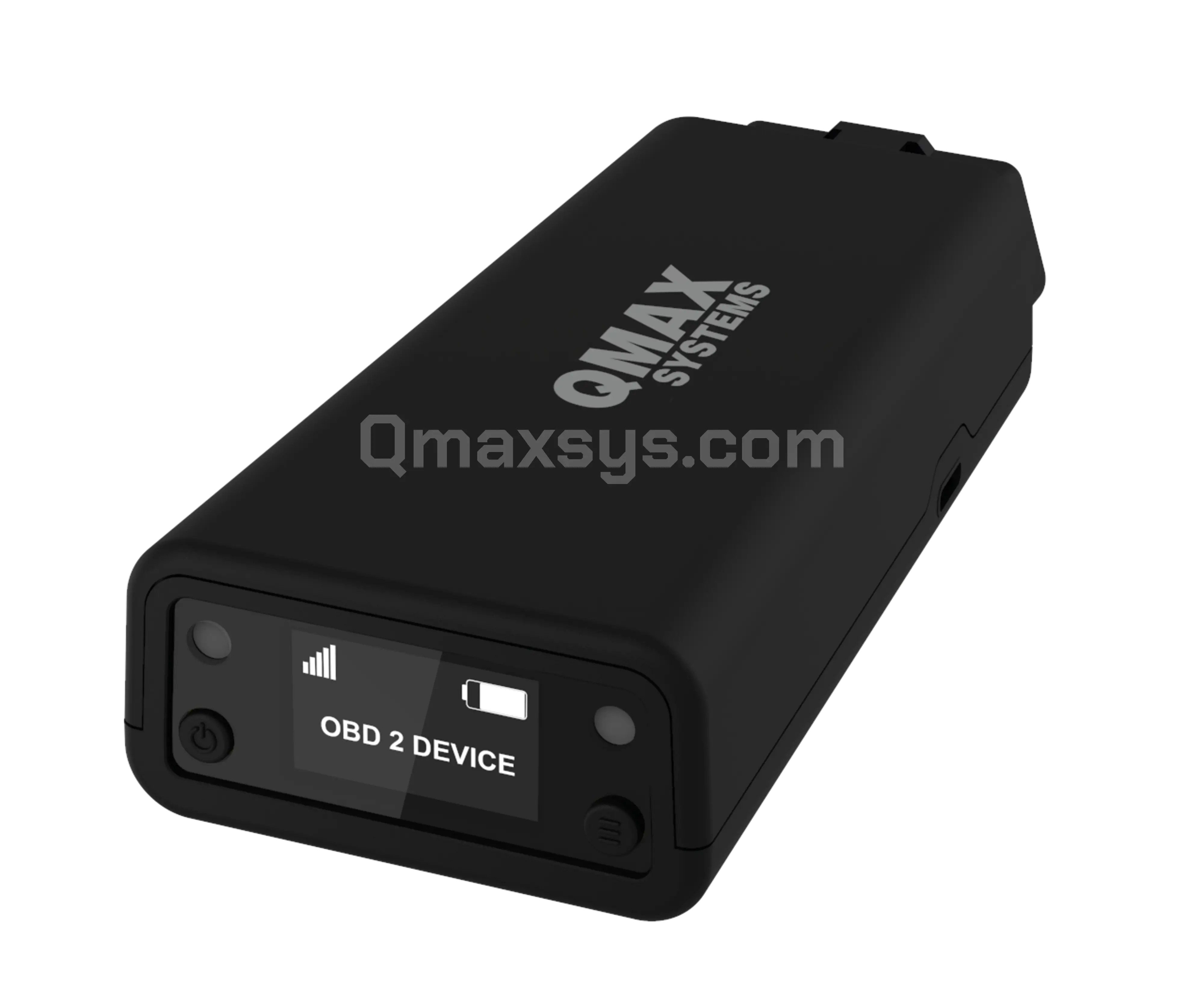
Industrial design product enclosure with refined form and finish

Qmax Systems treats industrial design as the intentional design of the user's relationship with hardware, not just "styling." Qmax's designers ensure the product is intuitive to use, comfortable to hold, and visually representative of its technical capabilities.

  • Design Research - Qmax analyzes market trends and user behavior to inform product architecture.
  • CMF Development - Qmax's designers define Color, Material, and Finish (CMF) to meet aesthetic and durability goals.
  • Hardware UI/UX - The team designs touchpoints, button haptics, and display integration.
  • Visual Communication - Photorealistic renderings and animations support stakeholder reviews and marketing.
  • Prototyping - Qmax prototypes in stages, from low-fidelity foam models to high-fidelity vacuum casting.
Learn more

Mechanical Development Across Industries

Automotive Electronics

Designing automotive PCBs for ECUs, infotainment, ADAS, and EV powertrain systems built to meet AEC-Q100 and IATF 16949 standards. Our layouts are engineered to handle harsh thermal cycling, severe vibration, and aggressive EMI across every cabin, chassis, and under-the-hood application.

From multi-layer ECU boards to high-current EV battery management PCBs, we deliver designs that meet zero-defect quality and full automotive traceability.

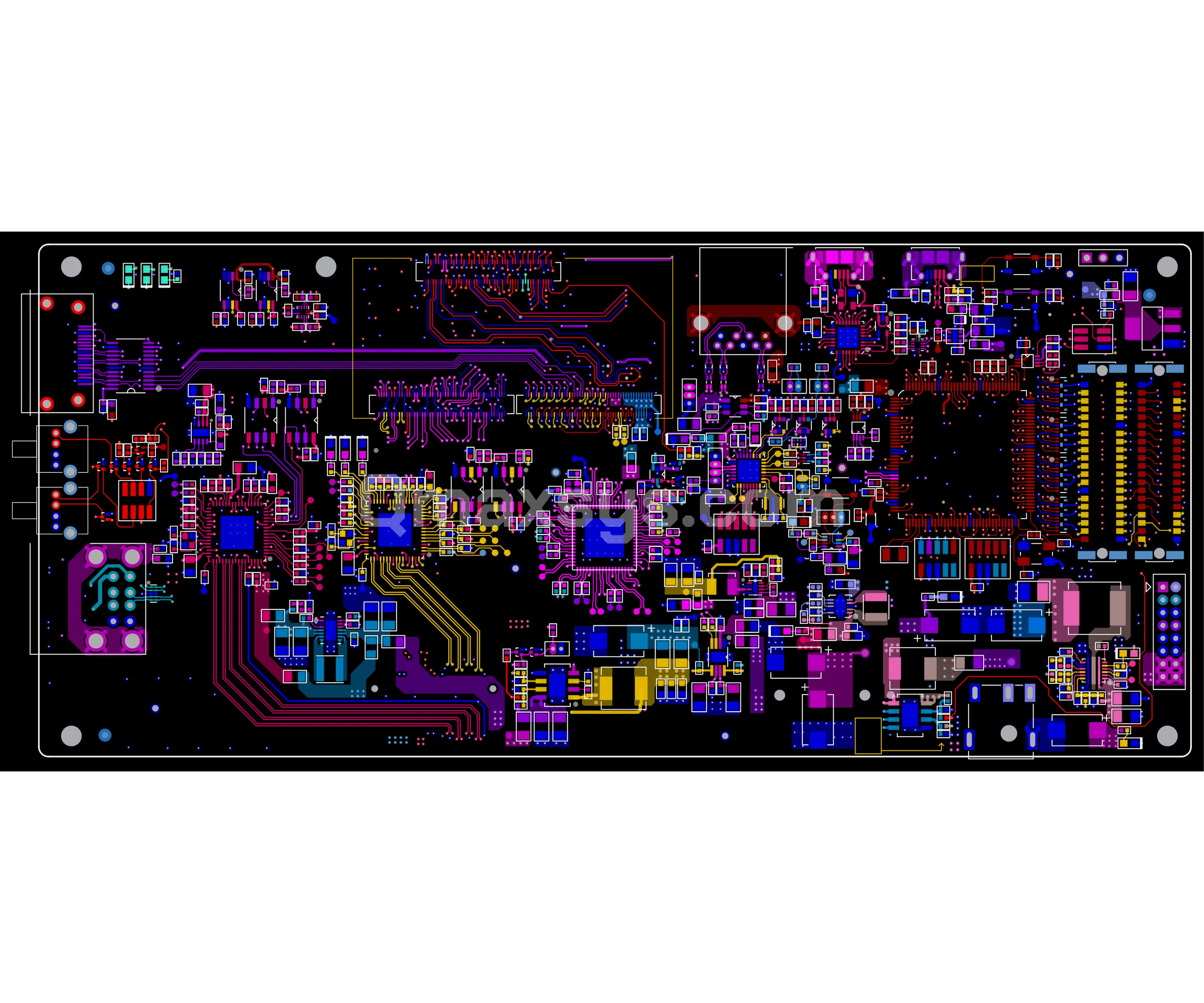
Automotive Electronics PCB design

Why Choose Qmax for Mechanical & Industrial Design?

Electronics-First Mindset

We don't design "boxes." We design thermal and protective environments for sensitive hardware.

Native PCB Integration

Our mechanical team works directly in Altium/Allegro environments to ensure 100% mechanical-to-electrical alignment.

Manufacturing-Ready

We deliver production-ready CAD files, not just concepts. We understand draft angles, wall thicknesses, and tolerance stacking.

Cross-Disciplinary Expertise

Access a single team that understands hardware, firmware, and mechanics.

Frequently Asked Questions

How do you manage heat dissipation in sealed IP67 enclosures?
We utilize thermal simulation (CFD) to design internal heat spreaders and utilize the enclosure's external surface area as a heat sink, often employing thermally conductive plastics or metal chassis.
Can you design for MIL-STD-810G vibration and shock requirements?
Yes. We perform FEA-based vibration analysis to identify resonance points and implement ruggedized mounting features or potting compounds where necessary.
What is the difference between DFM and DFA in your process?
DFM (Design for Manufacturing) focuses on the ease of fabricating individual parts (e.g., injection molding), while DFA (Design for Assembly) focuses on reducing part count and simplifying the manual or automated assembly of the final product.
Do you support PCB thermal profiling?
Absolutely. We analyze component-level heat loads on the PCB to design optimized cooling paths, whether through forced air, heat pipes, or thermal interface materials (TIM).
How do you ensure the mechanical design doesn't interfere with RF performance?
We work closely with RF engineers to select non-interfering materials and design shielding cans or antenna clearances that maintain signal integrity.
What prototyping methods do you use for functional testing?
Depending on the requirement, we use CNC machining for strength, SLA/SLS for high-detail fitment, or vacuum casting for bridge production.
Can you help with CMF (Color, Material, Finish) specifications?
Yes, we provide detailed CMF documents that specify Pantone/RAL colors, texture grades (VDI/MT), and coating types (powder coating, anodizing, etc.).
Do you design for intrinsically safe (IS) environments?
Yes, we understand the mechanical constraints required for ATEX/IECEx certification, including creepage, clearance, and impact resistance.
How do you handle tolerance stack-up analysis?
We perform worst-case and RSS (Root Sum Squared) tolerance analysis to ensure that parts fit together perfectly across high-volume production runs.
At what stage should I start mechanical design?
Ideally, at the block diagram stage. Early mechanical involvement ensures that the PCB shape and component placement are optimized for the final enclosure size and thermal requirements.
Contact Us